
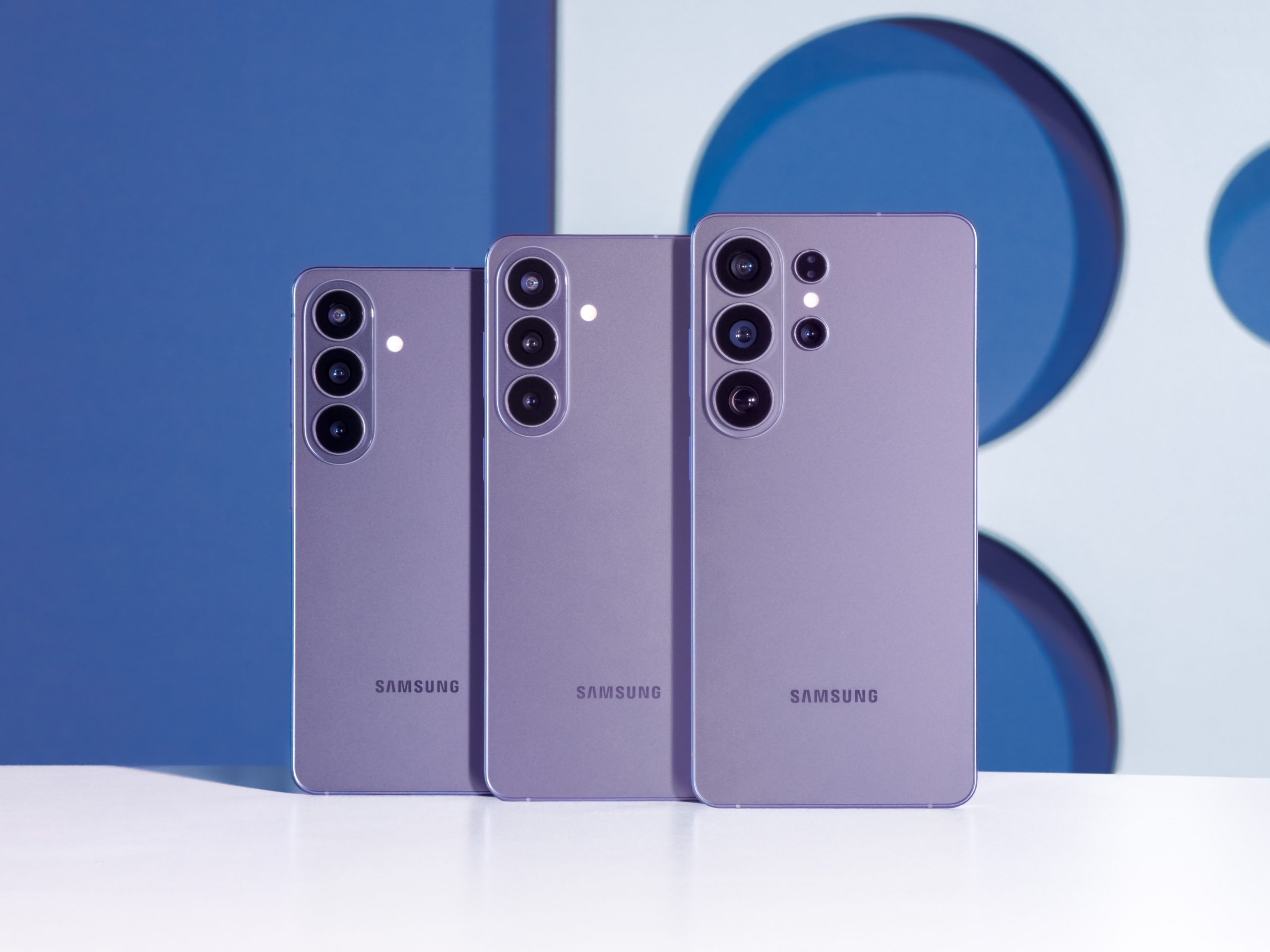
The Galaxy S26 series' success can be attributed to its strong on-device AI capabilities, particularly in local machine learning (ML) models and neural processing units (NPUs). The phone's ability to process AI tasks efficiently has made it a popular choice among consumers who value convenience and speed. However, the increased demand for the S26 series also highlights the importance of Edge AI in the smartphone market. As consumers increasingly expect their devices to perform complex tasks without relying on cloud connectivity, manufacturers like Samsung are investing heavily in Edge AI technologies to stay competitive.
The rumored price hike for the Galaxy S27 series is another factor contributing to the increased demand for the S26 series. With memory prices continuing to rise, Samsung may need to adjust its pricing strategy to remain competitive. This could have far-reaching implications for the Edge AI ecosystem, as manufacturers and consumers alike will be watching closely to see how companies like Samsung respond to rising costs. In the meantime, the Galaxy S26 series' success serves as a reminder of the importance of on-device AI processing in driving consumer demand.
The increased sales performance of the Galaxy S26 series also underscores the growing importance of Edge AI in the smartphone market. As consumers increasingly expect their devices to perform complex tasks without relying on cloud connectivity, manufacturers like Samsung are investing heavily in Edge AI technologies to stay competitive. The success of the S26 series will likely have implications for the broader Edge AI ecosystem, as companies look to replicate its success with future models.
In conclusion, the continued popularity of Samsung's Galaxy S26 series is a testament to the growing importance of Edge AI in the smartphone market. As manufacturers like Samsung continue to invest in on-device AI processing technologies, consumers can expect to see even more advanced features and capabilities in future devices. The rumored price hike for the Galaxy S27 series will likely have implications for the Edge AI ecosystem, as companies look to stay competitive in a rapidly evolving market.
The increased demand for the Galaxy S26 series also highlights the importance of promotional events and marketing strategies in driving consumer demand. Samsung's 'Samsung Electronics Appreciation Festival with the People' event, which offered refunds of 20% of the purchase value to customers, was a key factor in the phone's success. As manufacturers look to replicate this success with future models, they will need to focus on creating engaging marketing campaigns that resonate with consumers.
In the context of Edge AI, the increased demand for the Galaxy S26 series serves as a reminder of the importance of local machine learning models and NPUs in driving consumer demand. As companies like Samsung continue to invest in these technologies, we can expect to see even more advanced features and capabilities in future devices. The success of the S26 series will likely have implications for the broader Edge AI ecosystem, as companies look to replicate its success with future models.
Source & References
- Original Source: Android Authority
- Image: From our device photo catalog