
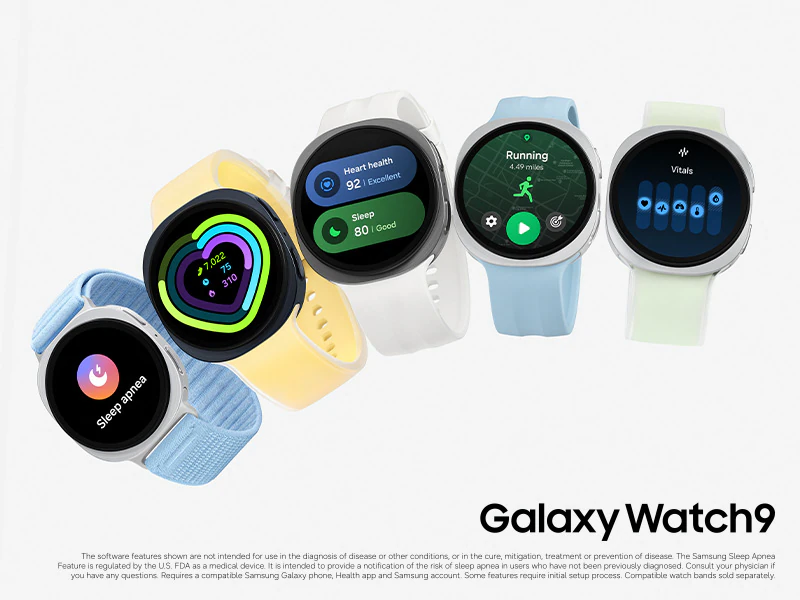
Rather than investing in new sensors, Samsung is relying on its existing biometric readings to create innovative features like 'Vitals' and 'Daily Cardio Load'. These new health-focused features aim to provide users with a more comprehensive understanding of their well-being. Additionally, the Galaxy Watch Ultra 2 will receive exclusive features such as Trail Run and Nutrition Alert, catering to outdoor enthusiasts and athletes.
The release of these smartwatches marks an important shift in Samsung's approach to Edge AI capabilities. With the introduction of Snapdragon Wear Elite processors, consumers can expect improved performance and potentially longer battery life. The emphasis on health monitoring and fitness tracking also underscores the growing importance of on-device processing and local machine learning models in wearable devices.
Looking ahead, this development is likely to have a significant impact on the broader Edge AI ecosystem. As more manufacturers adopt Snapdragon Wear Elite processors, we can expect to see improved performance and efficiency in wearable devices. This, in turn, will drive innovation in areas like health monitoring, fitness tracking, and personalized recommendations.
While the prices of these smartwatches have increased, with the Galaxy Watch 9 starting at $380 and the Watch Ultra 2 at $700, they remain competitive with other high-end options on the market. As consumers become increasingly aware of the importance of Edge AI capabilities in wearable devices, we can expect to see further advancements in this area.
In conclusion, Samsung's latest smartwatches represent a significant step forward for Edge AI capabilities in wearables. With improved performance, enhanced health monitoring features, and a focus on on-device processing, these devices are poised to shape the future of wearable technology.
Source & References
- Original Source: 9to5Google