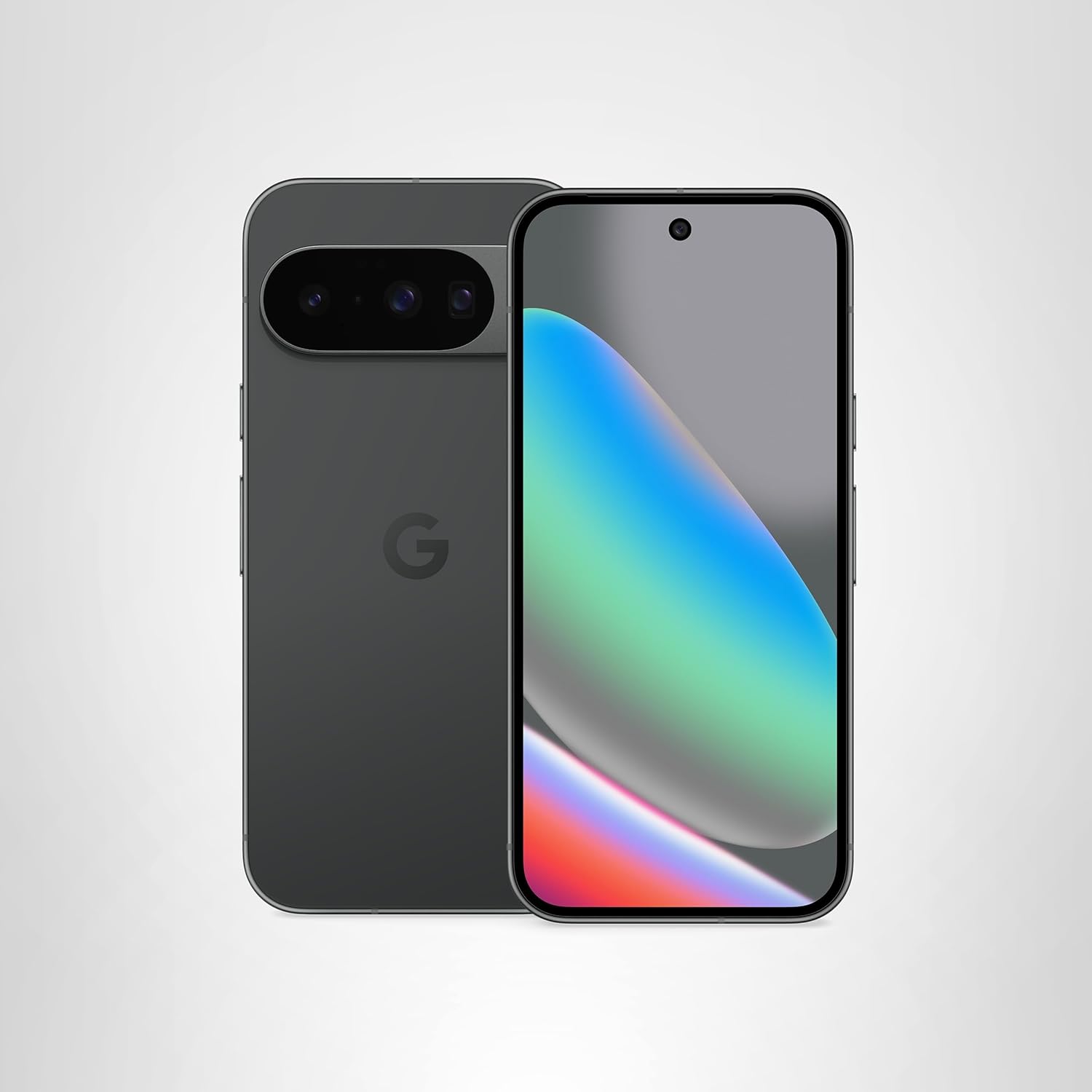
The inclusion of foldable devices in the offer's exclusions raises questions about the future of device protection plans for these types of devices. As foldables become increasingly popular, it will be interesting to see how manufacturers address the unique challenges and risks associated with these devices. In the context of Edge AI, this development highlights the need for more comprehensive and adaptable protection plans that can accommodate the diverse range of devices on the market.
Google's Pixel Care Plus offer is similar to Apple's iPhone protection plans, which cover accidental damage, screen repairs, battery replacements, and loss or theft coverage. This similarity underscores the growing trend towards device protection as a standard feature in the consumer electronics industry. As Edge AI continues to evolve, we can expect to see more manufacturers incorporating device protection into their devices, leading to increased adoption and investment in local AI processing capabilities.
The extended enrollment period for Pixel Care Plus is also noteworthy in the context of Edge AI, where on-device processing and NPUs are becoming increasingly important. By providing a second chance at signing up for the protection plan, Google is likely encouraging users to take advantage of the benefits of Edge AI, such as faster app performance and reduced latency. As devices become more powerful and capable, device protection plans will need to adapt to address the growing demands of Edge AI applications.
In conclusion, Google's extension of the Pixel Care Plus enrollment period is a significant development in the consumer electronics industry. By providing more flexibility and convenience for its customers, Google is likely driving adoption and investment in local AI processing capabilities. As we move forward, it will be interesting to see how this trend evolves and impacts the broader Edge AI ecosystem.
The implications of this development extend beyond device protection plans, highlighting the need for manufacturers to prioritize Edge AI capabilities in their devices. With the growing importance of on-device processing and NPUs, consumers can expect to see more powerful and capable devices that balance performance with affordability. As the demand for Edge AI applications continues to grow, we can expect to see increased investment in local AI processing technologies, leading to improved device performance and user experience.
Source & References
- Original Source: Android Authority
- Image Credit: Photo by Xu Haiwei on Unsplash