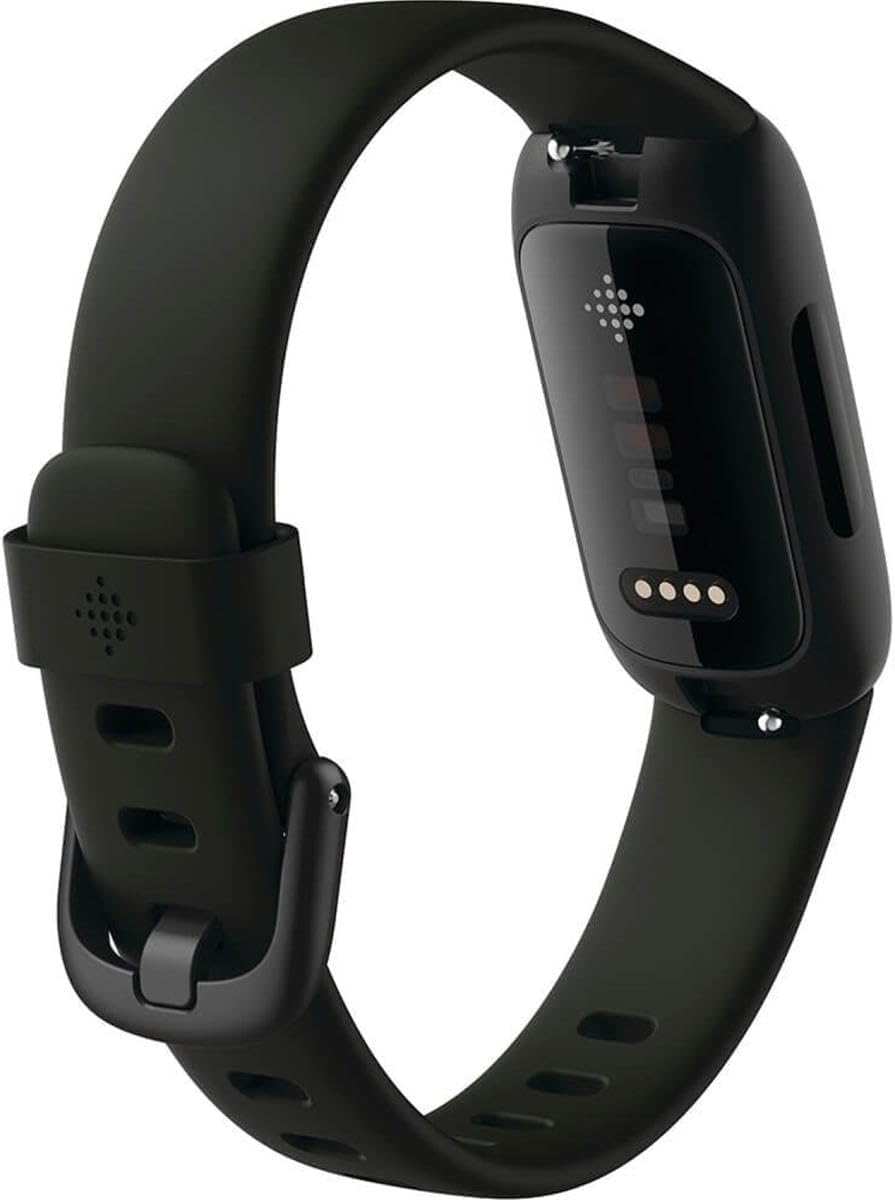
The Fitbit Air's firmware update is also notable in the context of Edge AI, as it underscores the growing importance of on-device processing and local machine learning models. By enabling more accurate and efficient exercise tracking, this update demonstrates the potential for Edge AI to enhance device performance and user experience. As the Edge AI ecosystem continues to evolve, we can expect to see more devices like the Fitbit Air benefiting from these advancements.
While the firmware update itself may not be a major technological breakthrough, it represents an important step forward for Google's Fitbit brand. With two recent Health app updates already addressing specific user concerns, this latest release suggests that Google is prioritizing user experience and device performance. As we move forward in the Edge AI landscape, it will be interesting to see how Google continues to balance innovation with user needs.
The fact that this firmware update is being rolled out now, rather than immediately after launch, may also suggest a more measured approach from Google. By allowing users to experience the benefits of this update over time, Google can gather feedback and refine its approach to device maintenance and support. This could have implications for the broader Edge AI ecosystem, as manufacturers and developers begin to prioritize user-centric design and iterative updates.
Ultimately, the Fitbit Air's firmware update serves as a reminder that even seemingly minor releases can have significant impacts on device performance and user experience. As we continue to navigate the rapidly evolving landscape of Edge AI, it will be essential for manufacturers and developers to prioritize user needs and focus on delivering high-quality, seamless experiences.
The implications of this firmware update extend beyond the Fitbit Air itself, however. As Google continues to invest in its Health app and other services, we can expect to see more devices benefiting from these advancements. This could have significant implications for the broader Edge AI ecosystem, as manufacturers and developers begin to prioritize on-device processing and local machine learning models.
In conclusion, the release of this firmware update marks an important milestone for Google's Fitbit brand. By addressing specific user concerns and enhancing exercise tracking capabilities, this update demonstrates the potential for Edge AI to enhance device performance and user experience. As we move forward in the Edge AI landscape, it will be essential to monitor how manufacturers and developers prioritize user needs and focus on delivering high-quality, seamless experiences.
Source & References
- Original Source: 9to5Google
- Image Credit: Photo by Steve A Johnson on Unsplash