
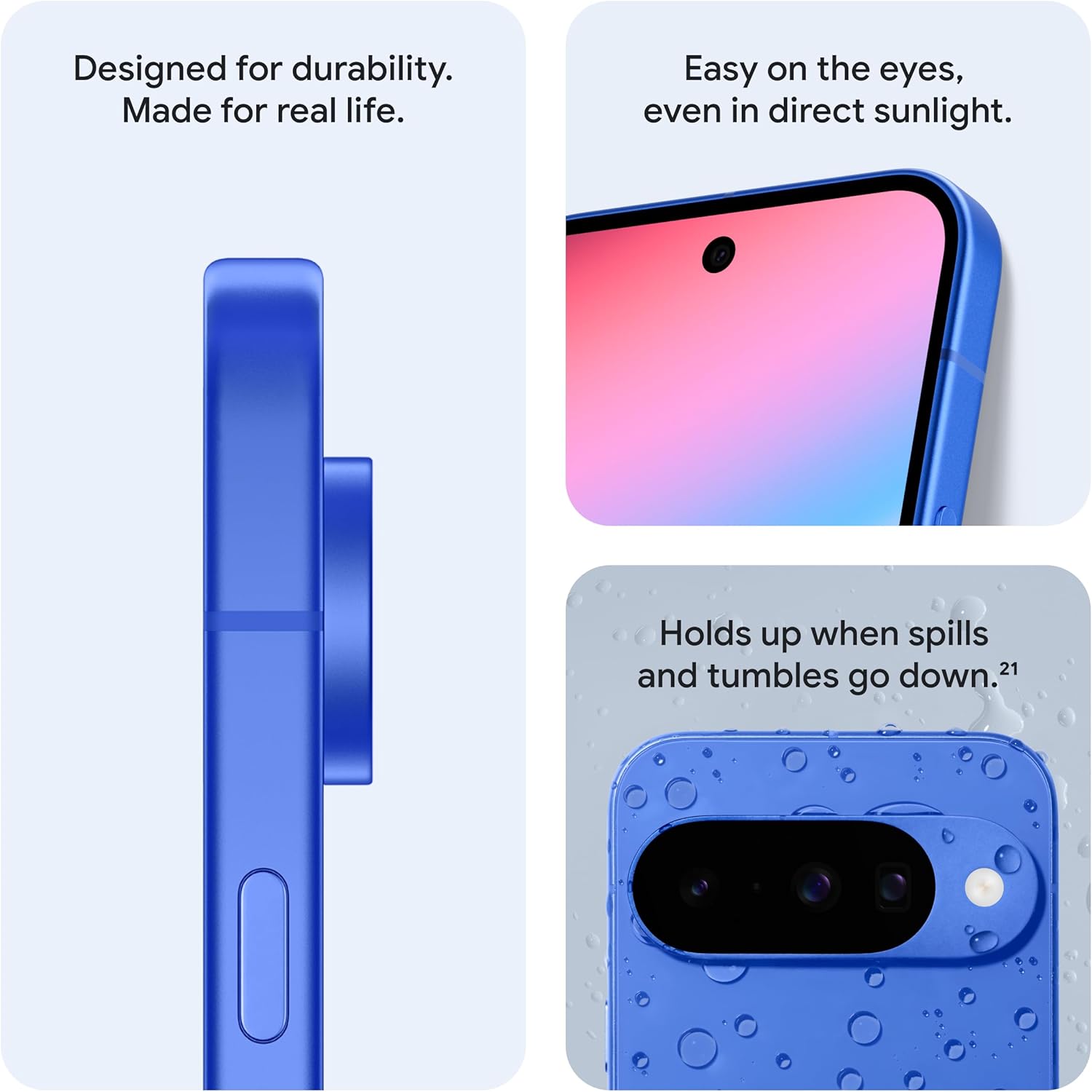
It's unclear why this specific model has been discounted so heavily, but one possibility is that Google is looking to clear out inventory before the launch of its next-generation Pixel devices. As of today, inventory levels are running low, with some storage capacities in other colors already sold out or unavailable.
The discount on the Pixel 10 Pro highlights the ongoing trend of device manufacturers offering discounts and promotions to drive sales and clear out stock ahead of new product releases. In the context of Edge AI, this development may indicate that Google is preparing for a significant push into the market in the coming months.
While the exact implications of this discount on the broader Edge AI ecosystem are unclear, it's likely that manufacturers will continue to offer competitive pricing and promotions to attract consumers and drive adoption. As the demand for on-device processing and local machine learning models continues to grow, we can expect to see more devices like the Pixel 10 Pro become available at discounted prices.
The timing of this discount also coincides with the rumored announcement of the Pixel 11 on August 12. While Google has not confirmed any details about its next-generation device, the discount on the Pixel 10 Pro suggests that it may be looking to create some buzz around its upcoming product release.
In terms of Edge AI specifically, this development highlights the importance of devices like the Pixel 10 Pro in driving adoption and innovation in the market. As more devices become available with built-in NPUs and local machine learning capabilities, we can expect to see significant advancements in areas such as computer vision, natural language processing, and other applications that rely on Edge AI.
Source & References
- Original Source: 9to5Google
- Image Credit: Photo by Mohamed Nohassi on Unsplash