
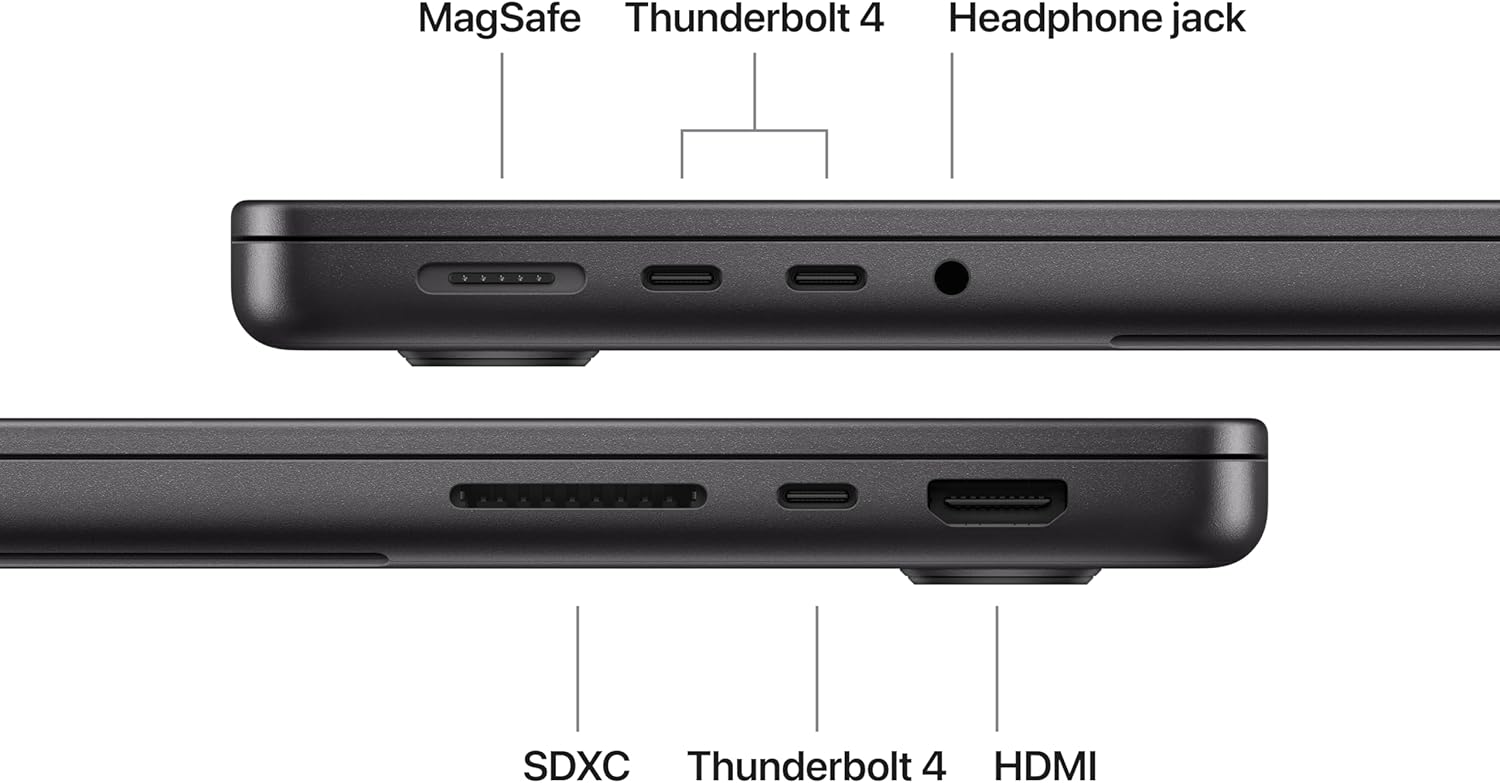
According to 9to5Mac, the entry-level MacBook Pro will adopt a new design in line with what Apple is preparing for higher-end MacBooks. While it's unclear whether this means the same exact design as the Ultra, it suggests that Apple is moving towards a more streamlined and sleek form factor across its product lineup. This could have implications for Edge AI, as a thinner and lighter device may enable more efficient on-device processing and better battery life.
The report also highlights the importance of Edge AI in driving Apple's design decisions. With the ability to process AI workloads locally on devices, companies can reduce latency and improve overall user experience. As the demand for Edge AI continues to grow, it will be interesting to see how Apple balances its desire for innovation with the need to stay competitive in a crowded market.
In terms of specific implications for Edge AI, this development suggests that Apple is prioritizing design and user experience alongside performance and power efficiency. With the rise of local LLMs and NPUs, companies are increasingly looking at devices as an integral part of their Edge AI strategy. As Apple moves towards a more streamlined form factor, it will be interesting to see how this affects the development of future Edge AI technologies.
Ultimately, the news serves as a reminder that Apple's design decisions are often driven by a complex interplay of factors, including market trends, consumer demand, and technological advancements. As the company continues to push the boundaries of innovation in Edge AI, it will be fascinating to see how this plays out in terms of design, performance, and user experience.
The K104 code name for the entry-level MacBook Pro also suggests that Apple is taking a more incremental approach to design updates, rather than making bold statements with each new product launch. This could be a sign that the company is prioritizing consistency and coherence over flashy redesigns, which could have long-term implications for its Edge AI strategy.