
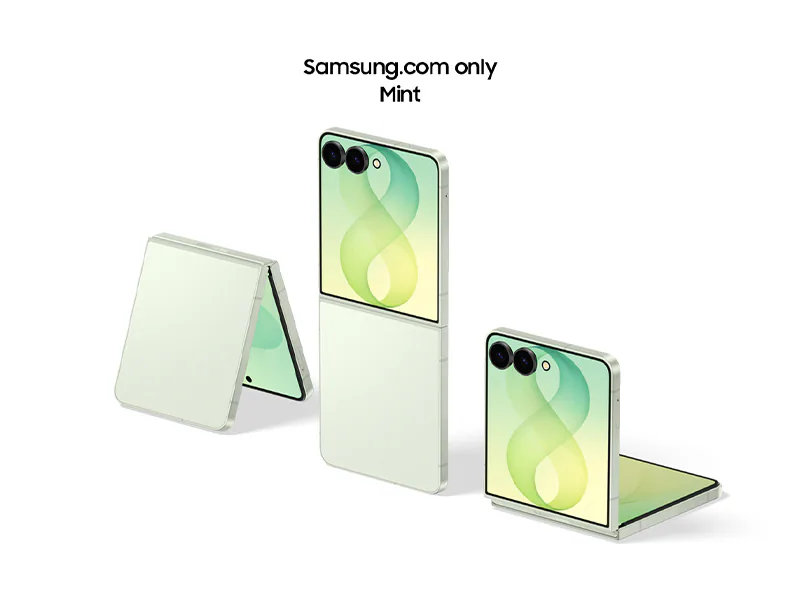
According to Engadget, 'the Flip 8's cover display marks a major step forward for Samsung, addressing one thing that annoyed most users — the limited widget-based screen.' This upgrade provides full app functionality natively, making the Z Flip 8 a more versatile option. Meanwhile, the Razr Ultra's camera capabilities are notable, with three 50MP cameras and support for 8K video recording. However, some reviewers have noted flaws in image quality, such as halos in bright light.
The performance gap between the two devices is significant, with the Galaxy Z Flip 8 powered by the Snapdragon 8 Elite Gen 5 and the Razr Ultra using the same chip from its predecessor. This means that the Flip 8 will handle demanding tasks and AI workloads more efficiently, thanks to its newer processor and optimized software integration. Additionally, Samsung promises seven years of OS updates for the Flip 8, while Motorola offers only three years for the Razr Ultra.
In terms of battery life, the Razr Ultra has a clear advantage, with a significantly larger 5,000mAh battery compared to the Flip 8's 4,300mAh cell. However, this comes at the cost of a bulkier design and slower charging speeds. The Flip 8's more compact form factor makes it easier to carry around, but its battery life may not be enough to justify the price difference.
Ultimately, the choice between the Galaxy Z Flip 8 and Motorola Razr Ultra depends on individual priorities. If power and convenience are top of mind, the Razr Ultra may be the better option. However, if a more pocketable design and newer processor are preferred, the Galaxy Z Flip 8 is the smarter buy at launch.
The Edge AI landscape continues to evolve, with devices like the Galaxy Z Flip 8 and Razr Ultra pushing the boundaries of on-device processing and local machine learning models. As consumers increasingly demand more efficient and powerful mobile devices, manufacturers will need to prioritize Edge AI capabilities in their product offerings. The competition between these two flip phones serves as a reminder that the future of Edge AI is not just about raw processing power, but also about user experience and design.
The significance of this device comparison extends beyond the individual products themselves. It highlights the ongoing struggle for manufacturers to balance competing demands on form factor, performance, and price. As the Edge AI ecosystem continues to mature, we can expect to see even more innovative solutions that prioritize both power and portability. For now, however, the Galaxy Z Flip 8 and Razr Ultra represent two distinct approaches to the flip phone format.
In conclusion, the Samsung Galaxy Z Flip 8 and Motorola Razr Ultra offer unique strengths and weaknesses that will appeal to different consumers. While neither device is a game-changer in terms of Edge AI capabilities, they do represent significant advancements in on-device processing and local machine learning models. As we look to the future of mobile devices, it's clear that Edge AI will play an increasingly important role in shaping user experience and design.
Source & References
- Original Source: Engadget