
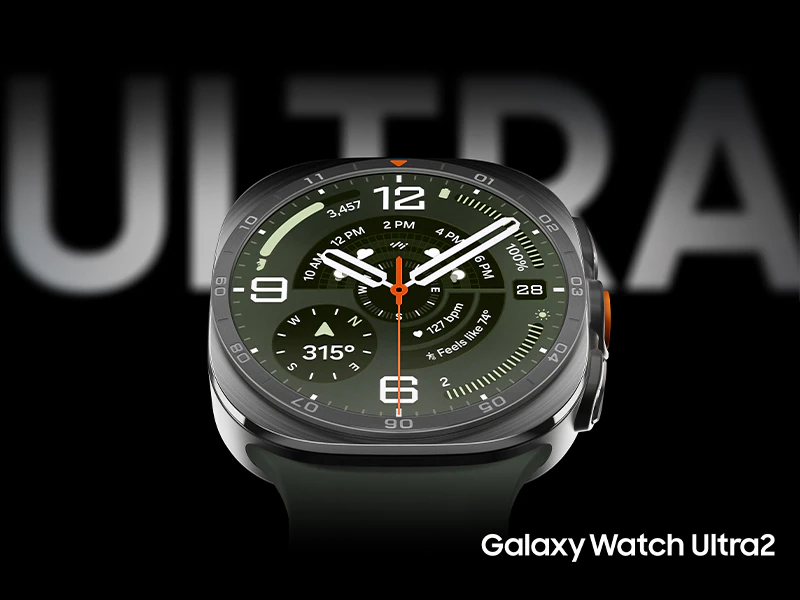
The trade-in values offered by Samsung are not without their quirks, with some devices receiving significantly higher offers than others. For instance, the Galaxy Watch Ultra 2 is valued at $250, while its predecessor, the Apple Watch Ultra 2, receives a lower offer of $194. This disparity raises questions about the effectiveness of trade-in programs in driving consumer adoption and the role they play in shaping the broader Edge AI landscape.
Furthermore, Samsung's decision to include older devices like the Gear S3 Frontier in their trade-in program is an interesting move. While it may not be immediately clear why this device is being offered a $100 trade-in value, it highlights the complexity of Edge AI adoption and the need for more nuanced incentives that cater to a wider range of consumers.
In the context of Edge AI, Samsung's trade-in values are significant because they demonstrate the company's commitment to making its devices more accessible and affordable. As Edge AI continues to gain traction in various industries, it is essential that manufacturers like Samsung prioritize consumer incentives that drive adoption and encourage the development of local models and NPUs.
Ultimately, Samsung's trade-in offers serve as a reminder that the Edge AI ecosystem is still evolving and requires careful consideration from manufacturers, consumers, and policymakers alike. As we move forward, it will be crucial to strike a balance between incentivizing consumer upgrades and promoting sustainable growth in the industry.
The implications of Samsung's trade-in values extend beyond the company itself, with far-reaching consequences for the broader Edge AI ecosystem. As more devices become equipped with NPUs and local models, manufacturers must adapt their strategies to meet the changing needs of consumers and drive innovation in the field.
Source & References
- Original Source: 9to5Google