
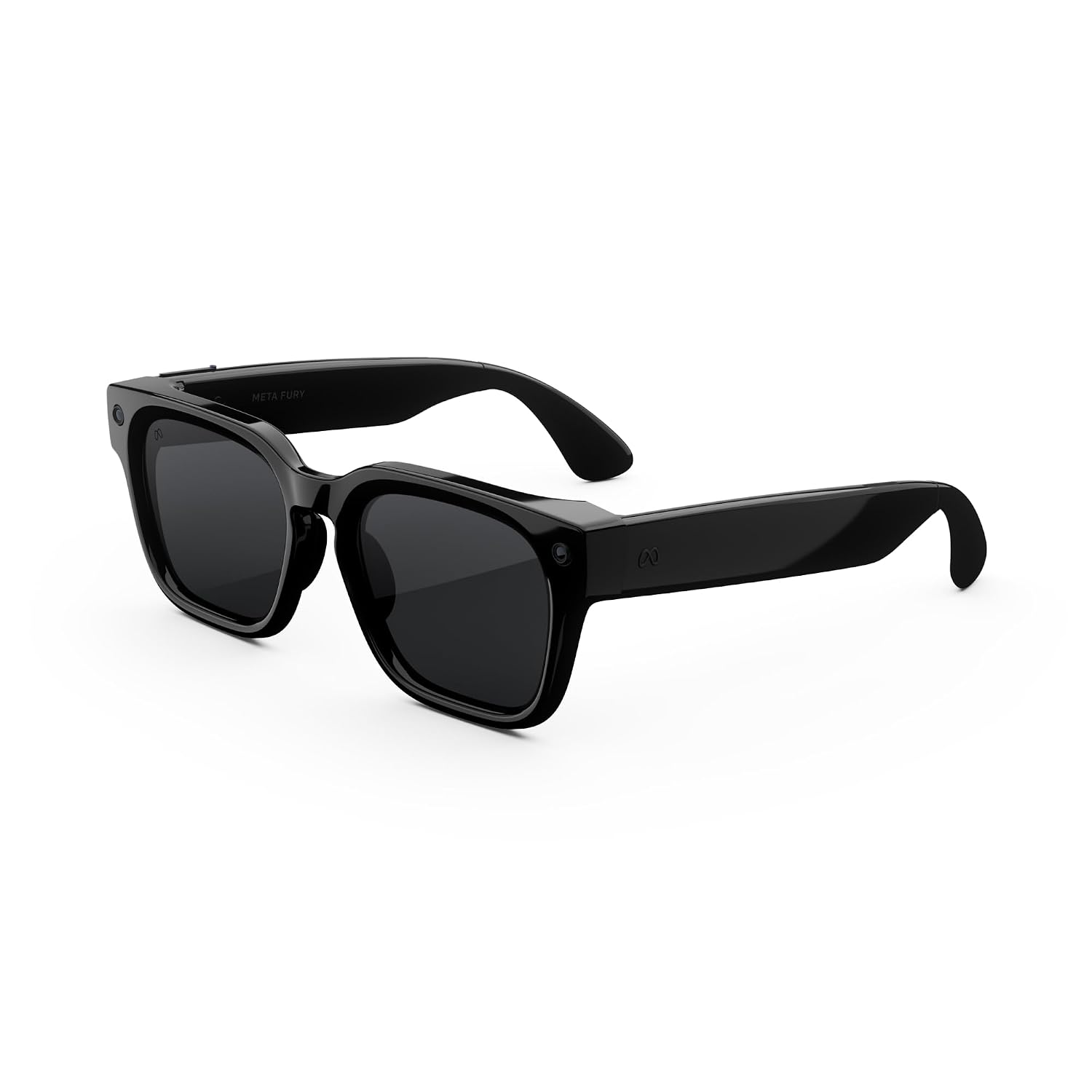
The resurgence of smart glasses has led to growing concerns about privacy and the potential for misuse. Influencers have been using these devices to capture footage of people without their knowledge or consent, leading to physical confrontations with those who feel recorded without permission. This incident highlights the need for greater regulation around wearable devices that can record audio or video.
The ban on smart glasses in New York courtrooms also has significant implications for the Edge AI ecosystem. As more devices become capable of processing AI tasks on-device, there is a growing need for standards and regulations to ensure responsible use. This move may pave the way for similar bans in other states and industries, potentially leading to a shift towards more secure and private wearable devices.
The impact of this ban will be felt beyond the courtroom, with potential implications for consumer device buyers and investors. As Edge AI technology continues to evolve, it is essential to prioritize user privacy and safety. This move serves as a reminder that the development of new technologies must be guided by responsible innovation and consideration for societal impacts.
The ban on smart glasses in New York courtrooms also underscores the need for greater awareness about the potential risks associated with wearable devices that can record audio or video without users' consent. As Edge AI technology becomes increasingly ubiquitous, it is crucial to address these concerns through education, regulation, and industry standards.
In the context of Edge AI, this development highlights the importance of considering user privacy and safety in the design and deployment of on-device processing technologies. The use of NPUs, chips, and local models will continue to shape the future of Edge AI, but it is essential to prioritize responsible innovation and ensure that these technologies are developed with user consent and safety in mind.